How to Choose a Reliable Chickpea Supplier in India
Selecting a reliable chickpea supplier in India is one of the most critical decisions for global importers, food processors, wholesalers, and retail chains. Chickpeas are a high-volume, food-grade agricultural commodity, and even minor inconsistencies in quality, documentation, or logistics can result in shipment delays, regulatory rejections, financial losses, and reputational damage. India, being one of the world’s largest producers and exporters of chickpeas, offers immense opportunity—but only when buyers partner with the right supplier.
This article provides an in-depth, technical, and importer-centric guide on how to evaluate, qualify, and select a reliable chickpea supplier in India. It covers agronomy, grading standards, pricing mechanics, export documentation, certifications, logistics, and long-term risk management. Whether you are importing Kabuli chickpeas for food manufacturing, retail distribution, or bulk trading, this guide will help you make informed sourcing decisions.
Why India Is a Global Hub for Chickpea Sourcing
India accounts for a significant share of global chickpea production and export, particularly in the Kabuli chickpea segment. The country benefits from diverse agro-climatic zones, experienced farmers, and a mature pulses processing ecosystem. States such as Madhya Pradesh, Rajasthan, Maharashtra, and Gujarat are known for producing export-quality Kabuli chickpeas with excellent size uniformity, color, protein content, and shelf stability.
What differentiates India from other origins is not just volume but the depth of its supply chain. From farm-level aggregation to machine cleaning, gravity separation, color sorting, and export packaging, Indian suppliers can offer end-to-end control. However, this also means that supplier capabilities vary widely, making it essential to identify a truly reliable chickpea supplier in India.
Understanding Chickpea Grades and Technical Specifications
A reliable supplier must have a clear and standardized grading system. Chickpeas are primarily classified by count, size (millimeters), color, moisture content, and defect tolerance. Kabuli chickpeas are preferred for export due to their larger size and white appearance, while Desi chickpeas are typically consumed domestically or processed into flour.
Export-grade Kabuli chickpeas from India are commonly available in multiple size grades. Premium grades include 42 × 44 count chickpeas measuring approximately 11–12 mm, followed by 44 × 46 count at 10–11 mm. Mid-range grades such as 50 × 52 count measure around 9–10 mm, while smaller grades like 58 × 60 count and 80 × 85 count range between 8–9 mm and 8 mm respectively.
Pricing is directly linked to these grades. As per current ex-factory pricing from Indore, Madhya Pradesh, premium 42 × 44 grade chickpeas trade around INR 106 per kg, while smaller 80 × 85 grade chickpeas are priced closer to INR 68 per kg. A reliable chickpea supplier in India clearly communicates grade definitions, tolerances, and pricing logic upfront.
Moisture Content and Shelf Life Control
Moisture control is a key technical factor that separates reliable suppliers from average traders. Export-quality chickpeas must typically maintain moisture levels below 12% to prevent fungal growth, insect infestation, and spoilage during transit. Reliable suppliers invest in controlled drying, moisture testing, and sealed packaging to preserve shelf life, especially for long-distance shipments.
Pricing Transparency and Cost Structure
One of the most important indicators of a reliable chickpea supplier in India is pricing transparency. Importers must understand not only the product price but also the associated logistics and packaging costs. Ex-factory prices usually exclude GST, as exports are zero-rated, and are based on plain polypropylene bag packaging of 30 kg or 50 kg.
Transportation from central India processing hubs such as Indore to export ports like Mundra or JNPT typically costs between INR 2.00 to INR 2.28 per kg. Customized packaging, including branded bags or inner liners, generally adds around INR 0.50 per kg. Reliable suppliers provide detailed quotations that clearly separate product cost, packaging cost, inland transport, and export charges.
FOB and CIF Pricing Models
Export contracts are commonly structured under FOB (Free On Board) or CIF (Cost, Insurance, Freight) terms. FOB pricing includes inland transport, port handling, and vessel loading, while CIF pricing also includes ocean freight and marine insurance to the destination port.
A reliable chickpea supplier in India explains the advantages and limitations of each pricing model and helps buyers select the most cost-effective option based on destination, shipment size, and freight market conditions.
Certifications and Regulatory Compliance
International buyers must ensure that their supplier complies with destination market regulations. Reliable Indian chickpea suppliers operate under ISO 22000 or HACCP-certified food safety management systems. These certifications demonstrate systematic control over contamination risks, traceability, and hygiene.
For markets such as the European Union and the United States, suppliers must comply with stringent pesticide residue limits, aflatoxin thresholds, and labeling requirements. Many reliable suppliers also hold Non-GMO declarations, Halal certification, and EU organic certification for specific product lines.
Export Documentation Accuracy
Documentation errors are a common cause of shipment delays and penalties. A reliable chickpea supplier in India ensures accurate preparation of commercial invoices, packing lists, phytosanitary certificates, certificates of origin, fumigation certificates, and shipping bills. Experienced exporters also coordinate closely with customs brokers and freight forwarders to minimize clearance risks.
Processing Infrastructure and Quality Control
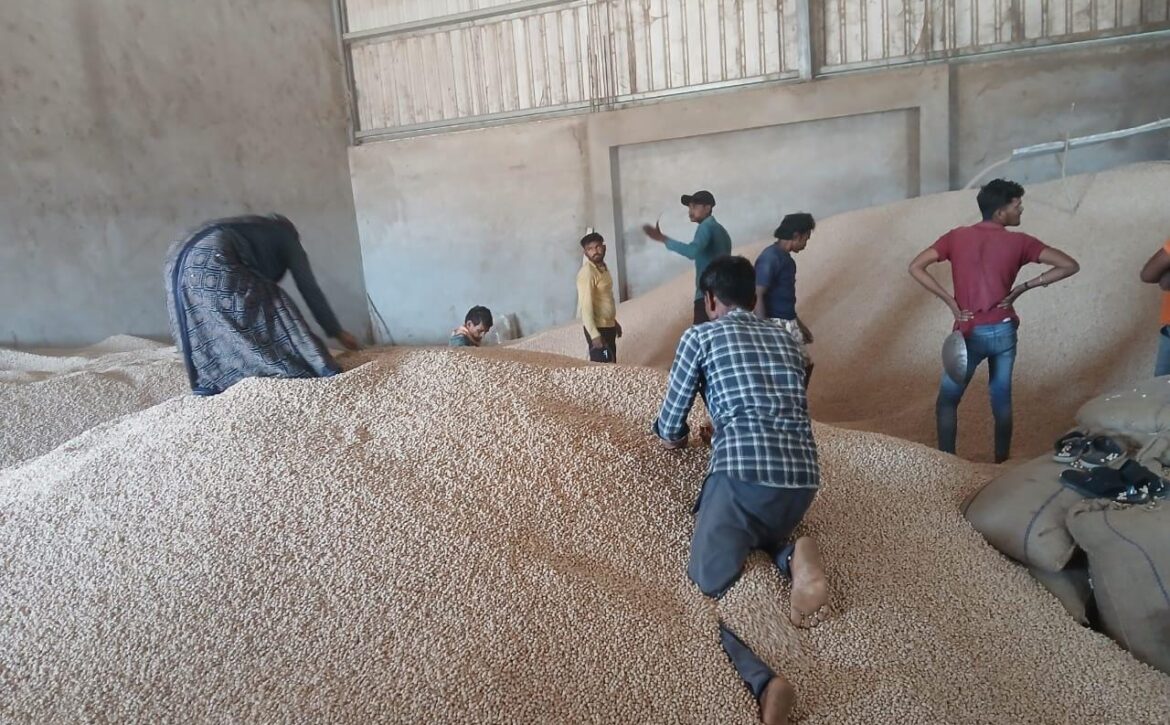
Reliable suppliers operate modern processing facilities equipped with cleaning machines, gravity separators, color sorters, and metal detectors. These technologies help remove foreign matter, broken grains, discolored chickpeas, and contaminants, ensuring uniformity across shipments.
Quality control does not end at processing. Leading suppliers conduct pre-shipment inspections, third-party lab testing, and container stuffing supervision to ensure that export specifications are met consistently. This level of diligence is essential for importers supplying regulated food markets.
Packaging Standards for Export Chickpeas
Packaging plays a crucial role in protecting chickpeas during transit. Most exporters use 30 kg or 50 kg plain polypropylene bags, which offer strength and moisture resistance. Reliable suppliers also offer customized packaging, including laminated bags, inner liners, or private-label printing for branded retail supply.
Packaging integrity, proper stitching, and palletization are essential to prevent damage during handling and sea transport. A reliable chickpea supplier in India follows international packaging norms and adapts packaging solutions based on destination climate and transit duration.
Logistics Capability and Port Handling
India’s major chickpea exports move through Mundra Port and JNPT, both of which offer robust container infrastructure. Reliable suppliers have experience booking containers during peak seasons, managing port congestion, and ensuring timely vessel loading.
Efficient logistics management reduces demurrage, storage costs, and transit delays. Suppliers with strong freight forwarding partnerships can also offer competitive CIF rates and predictable transit schedules.
Evaluating Supplier Reliability Through Due Diligence
Importers should conduct structured due diligence before finalizing a supplier. This includes verifying company registration, export history, certifications, and customer references. Requesting samples, technical specifications, and laboratory reports is a standard practice when evaluating a new supplier.
Trial shipments are often used to validate consistency before entering long-term contracts. A reliable chickpea supplier in India welcomes audits, inspections, and transparent communication, demonstrating confidence in their operations.
Long-Term Partnerships and Supply Stability
Successful importers prioritize long-term supplier relationships over short-term price advantages. Reliable suppliers offer production planning, volume commitments, and priority allocation during high-demand periods. This stability is especially important during crop fluctuations or global supply disruptions.
Long-term partnerships also enable customization in grading, packaging, and branding, giving importers a competitive edge in their markets.
Conclusion: Choosing the Right Chickpea Supplier in India
India offers unmatched potential for sourcing high-quality chickpeas at scale, but success depends on selecting the right partner. A reliable chickpea supplier in India combines agricultural expertise, processing excellence, pricing transparency, regulatory compliance, and logistics reliability.
By conducting thorough due diligence and prioritizing long-term value over short-term cost savings, importers can build resilient supply chains and unlock sustained growth. In an increasingly competitive global pulses market, choosing the right Indian chickpea supplier is not just a sourcing decision—it is a strategic business investment.
Call +91 880 221 0093 for Chickpea Supplies from India.
Tags:
Bangladesh Chola importers Best price for Kabuli chickpeas Buy Kabuli Chickpeas in bulk Canadian Kabuli Chana Chickpeas 20ft container price Chickpeas bulk purchase Dubai chickpeas traders EU chickpeas importers German organic chickpeas Import Kabuli chickpeas from India Indian chickpeas exporters list Kabuli Chana FOB price Kabuli Chana suppliers directory Kabuli Chana wholesale suppliers Kabuli chickpeas CIF price Kenya Kabuli Chana Mediterranean chickpeas supplier Mexican chickpeas market Nigerian chickpeas market Pakistan Kabuli Chana Qatar hummus chickpeas supplier Saudi Arabia chickpeas importers South Africa chickpeas import Sri Lanka chickpeas suppliers UAE Kabuli Chana market UK chickpeas wholesalers USA chickpeas importers