India has firmly established itself as one of the most dependable global sourcing destinations for chickpeas, particularly Kabuli chickpeas. For international importers, food manufacturers, wholesalers, and bulk distributors, identifying the best exporters of chickpeas from India is critical to ensuring consistent quality, stable pricing, regulatory compliance, and uninterrupted supply chains. With vast agricultural capacity, diverse growing regions, and advanced export infrastructure, India offers unmatched advantages to global chickpea buyers.
This article provides a deep, technical, and importer-focused analysis of how Indian chickpea exporters operate, what distinguishes the best exporters from average suppliers, how pricing is structured, and what international buyers should evaluate before finalizing sourcing contracts. Whether you are importing chickpeas into the Middle East, Europe, North America, Africa, or Asia, this guide is designed to help you make informed, risk-mitigated sourcing decisions.
India’s Position in the Global Chickpea Export Market
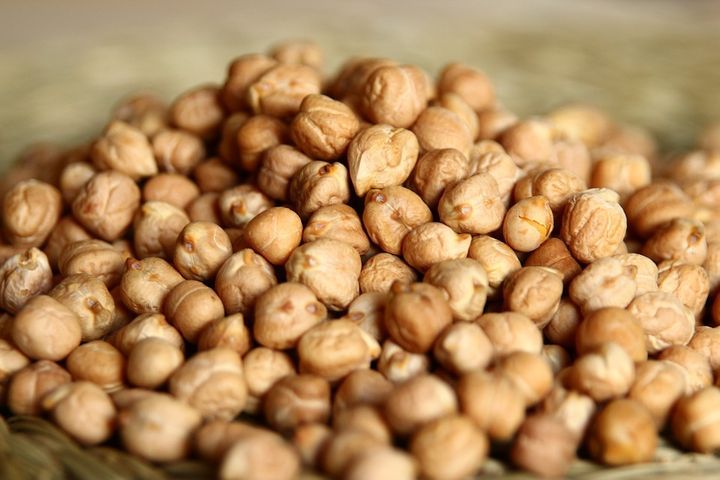
India is among the world’s largest producers and exporters of chickpeas, supplying food-grade pulses to more than sixty countries. Indian chickpea exports include both Desi and Kabuli varieties, with Kabuli chickpeas commanding premium demand due to their large size, white color, smooth texture, and superior cooking performance. The scale of production in central Indian states such as Madhya Pradesh enables exporters to meet high-volume international demand while maintaining competitive pricing.
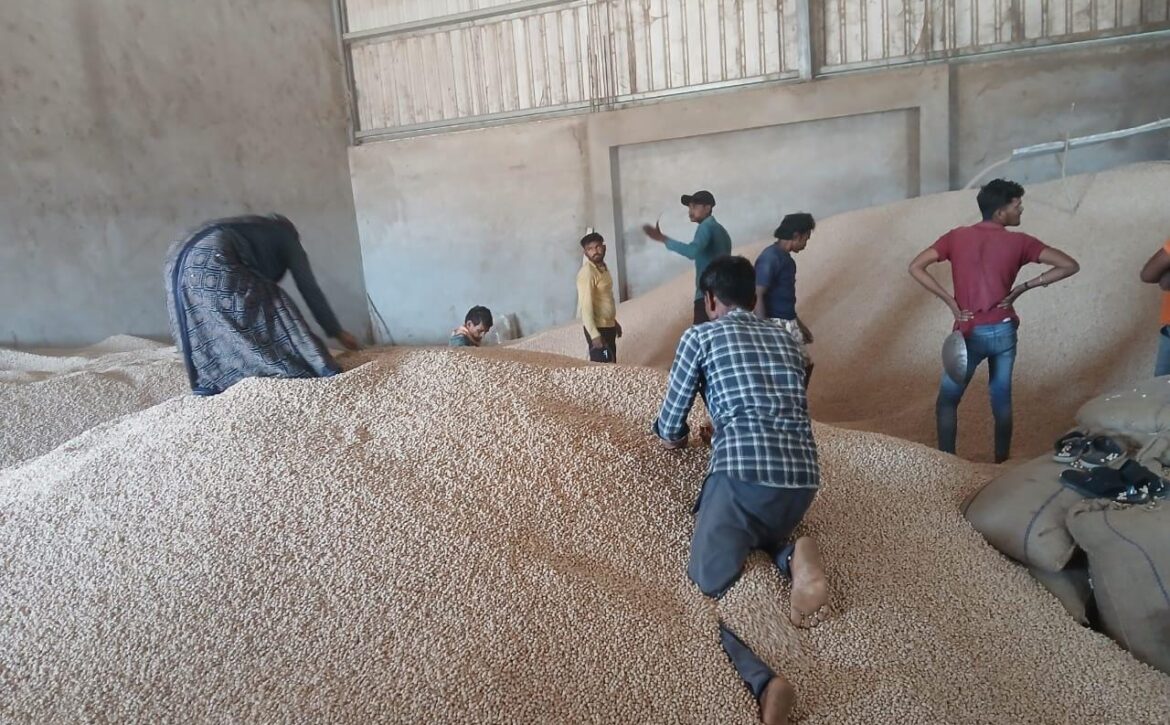
What makes India particularly attractive to global importers is the combination of agricultural scale, skilled processing, and export-oriented logistics. Indian exporters operate modern cleaning, grading, sorting, and packaging facilities close to farming regions, reducing handling time and preserving product integrity. This vertically integrated ecosystem allows the best exporters of chickpeas from India to offer consistent quality across multiple shipments.
Understanding Kabuli Chickpeas Exported from India
Kabuli chickpeas exported from India are primarily grown in Madhya Pradesh, Rajasthan, Maharashtra, and parts of Gujarat. These regions are known for producing uniform-sized, high-protein chickpeas with low moisture content and excellent shelf life. Export-grade Kabuli chickpeas are mechanically cleaned, gravity separated, color sorted, and packed under strict quality control protocols.
Indian exporters typically classify Kabuli chickpeas by count and size, which directly impacts pricing, end-use applications, and buyer preferences. Larger chickpeas are generally preferred for hummus production, canned chickpeas, and premium retail markets, while slightly smaller grades are commonly used for roasting, food processing, and bulk distribution.
Technical Size and Price Classification of White Kabuli Chickpeas
Export pricing is closely linked to chickpea size and count. As of current ex-factory rates from Indore, Madhya Pradesh, the commonly traded grades include:
The 42 × 44 count chickpeas, measuring approximately 11–12 mm, are considered premium export grade and are priced around INR 106 per kg ex-factory. The 44 × 46 count grade, slightly smaller at 10–11 mm, trades near INR 103 per kg. Mid-range grades such as 50 × 52 count (9–10 mm) are priced at approximately INR 94 per kg. Smaller export grades including 58 × 60 count (8–9 mm) are available around INR 85 per kg, while the 80 × 85 count grade, around 8 mm, is priced near INR 68 per kg.
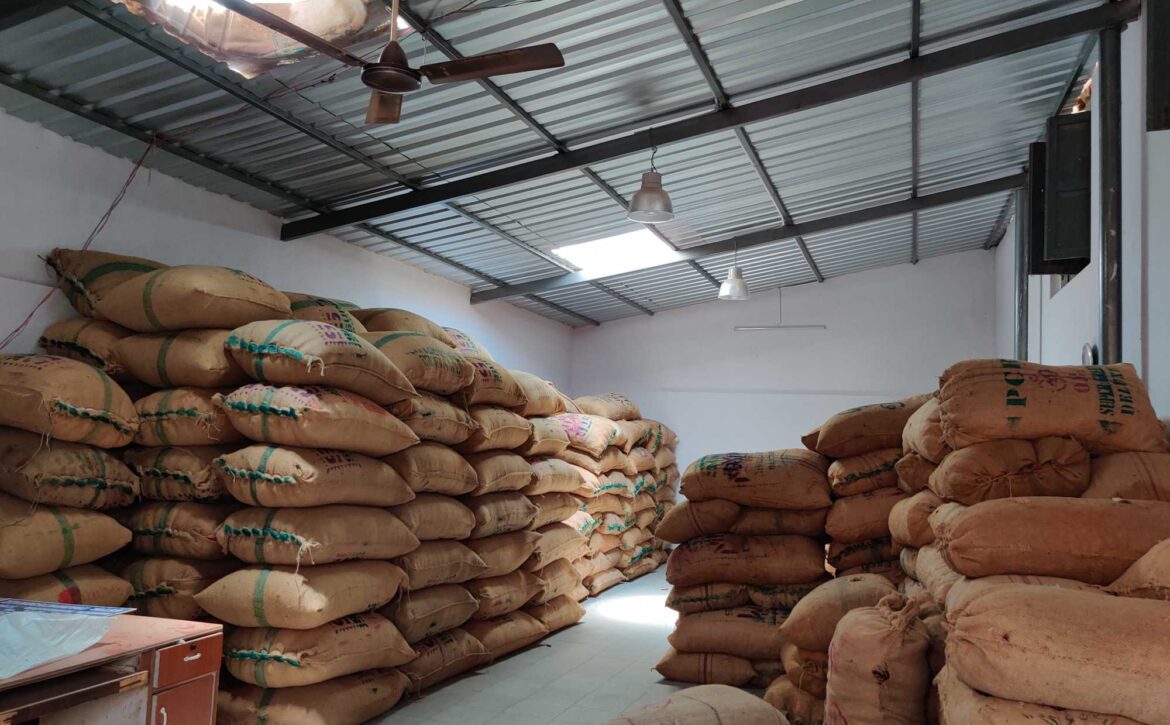
These prices are exclusive of GST, as exports are zero-rated, and represent plain polypropylene bag packaging of 30 kg or 50 kg. Transportation costs from Indore to Mundra Port or JNPT typically range between INR 2.00 to INR 2.28 per kg, while customized packaging adds approximately INR 0.50 per kg.
What Defines the Best Exporters of Chickpeas from India
Not all exporters operate at the same professional or technical standard. The best exporters of chickpeas from India distinguish themselves through a combination of product quality, documentation accuracy, logistics reliability, and long-term buyer support. Importers sourcing from India must look beyond price alone and evaluate the exporter’s ability to consistently deliver compliant, traceable, and market-ready chickpeas.
Leading exporters invest heavily in quality assurance systems, including moisture control, aflatoxin prevention, pest management, and batch traceability. These exporters also maintain strong relationships with farmers and aggregators, enabling them to secure raw material even during tight crop seasons.
Certifications and Compliance Standards
Top Indian chickpea exporters operate under internationally recognized certifications. ISO 22000 and HACCP certification ensure that food safety hazards are identified and controlled at every stage of processing. Many exporters also comply with EU regulations, US FDA requirements, and Middle Eastern import standards.
For niche markets, the best exporters of chickpeas from India offer additional certifications such as Non-GMO declarations, Halal certification, and EU organic certification. These credentials are particularly important for buyers supplying premium retail chains, organic food brands, and regulated institutional markets.
Export Logistics and Port Infrastructure
India’s export logistics infrastructure plays a vital role in its success as a chickpea supplier. Most Kabuli chickpeas are exported through Mundra Port in Gujarat and Jawaharlal Nehru Port Trust (JNPT) near Mumbai. These ports offer high container availability, modern handling facilities, and efficient customs clearance processes.
The best exporters of chickpeas from India maintain strong freight forwarding partnerships, enabling them to offer FOB and CIF pricing with predictable transit times. Exporters also manage fumigation, phytosanitary certification, certificate of origin, and commercial documentation to ensure smooth customs clearance at destination ports.
FOB vs CIF Pricing for Importers
Importers can choose between FOB (Free On Board) and CIF (Cost, Insurance, Freight) pricing models depending on their logistics strategy. FOB pricing includes the product cost, inland transport, port handling, and loading onto the vessel. CIF pricing further includes ocean freight and marine insurance to the destination port.
The best exporters of chickpeas from India provide transparent cost breakdowns under both pricing models, allowing buyers to accurately calculate landed costs and margins. This transparency is particularly important for long-term supply contracts and repeat shipments.
Applications and End-Use Markets Served by Indian Exporters
Indian chickpeas are used across a wide range of food applications globally. Large-size Kabuli chickpeas are preferred for hummus manufacturing, canned chickpeas, ready-to-eat meals, and premium retail packaging. Medium and smaller grades are widely used for roasted chickpeas, snack foods, flour milling, and food service distribution.
The versatility of Indian chickpeas allows exporters to serve diverse markets, including the Middle East, Europe, North America, Africa, and South Asia. Each market has specific quality, packaging, and labeling requirements, which the best exporters are well-equipped to handle.
Why Importers Prefer Long-Term Contracts with Indian Exporters
Experienced importers often prefer to establish long-term supply relationships rather than sourcing spot shipments. The best exporters of chickpeas from India support this approach by offering price stability, volume commitments, and production planning aligned with buyer forecasts.
Long-term contracts also allow exporters to customize grading, packaging, and branding as per importer specifications. This level of customization is especially valuable for private-label brands and food manufacturers seeking consistent product specifications across markets.
Risk Management and Supply Continuity
India’s diversified growing regions reduce the risk of crop failure impacting supply. The best exporters further mitigate risk by sourcing from multiple farming clusters and maintaining buffer stocks. This approach ensures continuity even during weather disruptions or demand spikes.
Selecting the Best Exporter for Your Import Business
Importers evaluating Indian chickpea exporters should conduct thorough due diligence. This includes reviewing company credentials, export history, certifications, sample quality, and communication responsiveness. Site visits, third-party inspections, and trial shipments are commonly used to validate exporter capabilities.
The best exporters of chickpeas from India are transparent, responsive, and proactive. They provide technical data sheets, laboratory test reports, and clear contractual terms, helping importers minimize operational and regulatory risks.
Conclusion: Partnering with the Best Exporters of Chickpeas from India
India’s dominance in the global chickpea trade is driven by scale, quality, and export readiness. However, successful importing depends on selecting the right exporter partner. The best exporters of chickpeas from India combine agricultural expertise, processing excellence, regulatory compliance, and logistics efficiency to deliver consistent value to international buyers.
For importers seeking reliable, scalable, and cost-effective chickpea sourcing, India remains an unmatched origin. By partnering with established exporters who understand international market requirements, buyers can secure long-term supply stability and competitive advantage in their respective markets.
Call +91 880 221 0093 Alluremerx for Chickpeas Export
Bangladesh Chola importers Best price for Kabuli chickpeas Buy Kabuli Chickpeas in bulk Canadian Kabuli Chana Chickpeas 20ft container price Chickpeas bulk purchase Dubai chickpeas traders EU chickpeas importers German organic chickpeas Import Kabuli chickpeas from India Indian chickpeas exporters list Kabuli Chana FOB price Kabuli Chana suppliers directory Kabuli Chana wholesale suppliers Kabuli chickpeas CIF price Kenya Kabuli Chana Mediterranean chickpeas supplier Mexican chickpeas market Nigerian chickpeas market Pakistan Kabuli Chana Qatar hummus chickpeas supplier Saudi Arabia chickpeas importers South Africa chickpeas import Sri Lanka chickpeas suppliers UAE Kabuli Chana market UK chickpeas wholesalers USA chickpeas importers